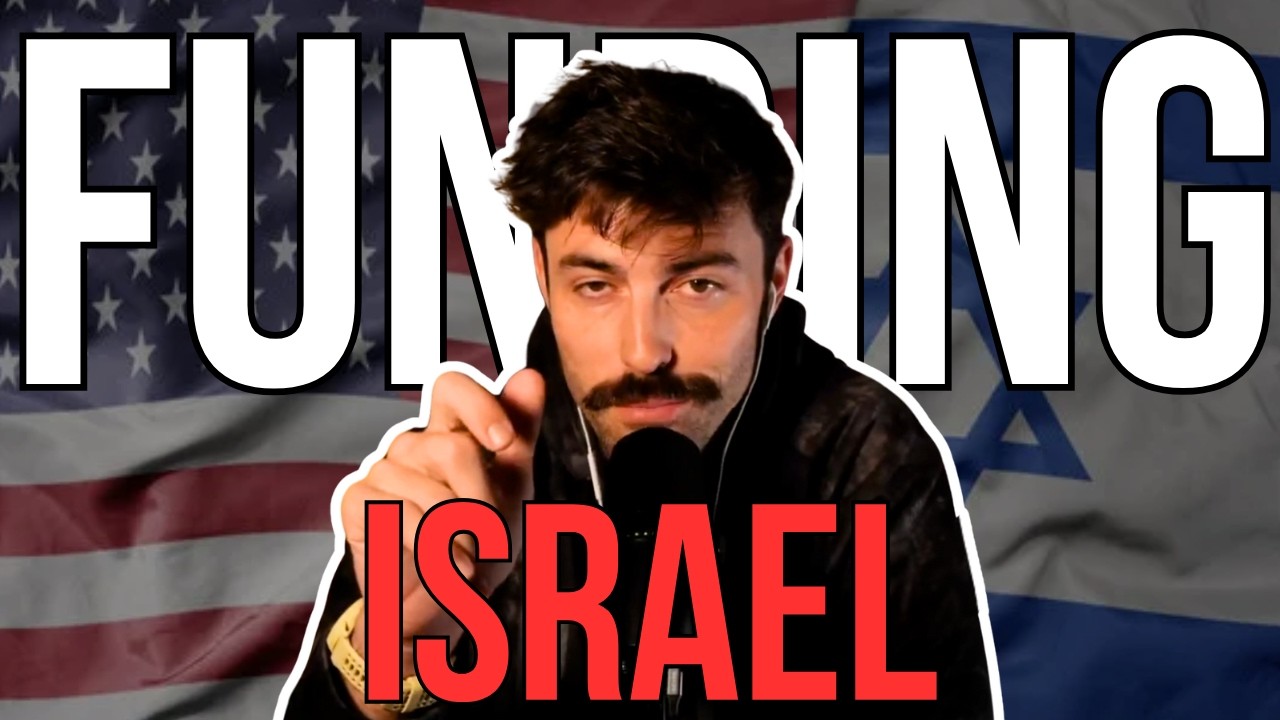
Opening — America feels under pressure from all sides. Each week, I hope to talk about anything other than a small foreign nation the size of New Jersey, half a world away. Today isn’t that day.
Claim: “Israel isn’t an official U.S. ally.”
Words matter. Ally should mean a formal, contracted mutual defense treaty. The United States has no such treaty with Israel. We act like we do—politically, militarily, financially—but there’s no legal obligation binding either country to defend the other.
The U.S. and Israel do not have a formal mutual defense treaty—yet our policy often behaves as if one exists.
Twenty years of war—who stood with us?
After 9/11, America waged the Global War on Terror for two decades. Many allies fought beside us—Britain, Denmark, Poland, Australia, even some Muslim-majority partners like the UAE. But we didn’t receive troops, QRFs, or medevac support from Israel. We were evacuated to Germany, not Tel Aviv. If Israel is our “greatest ally,” where was the tangible support on the ground?
How we got into the Middle East—narratives and doctrines
Debates over WMD intelligence and neoconservative strategy still echo. The argument here: American policy was influenced by figures and frameworks aligned with Israel’s security agenda (e.g., “Clean Break”–style thinking), pushing campaigns across Iraq, Yemen, Syria, Libya, and Somalia. Whether one agrees or not, the point is that these doctrines helped steer America into costly, open-ended conflicts.
Costs, casualties, and the Gaza war
The U.S. has committed tens of billions tied to Israel since the Gaza war escalated—much of it fast-tracked for munitions, air defenses, and regional operations. Meanwhile, images of widespread destruction raise the question: is this “surgical” counterterrorism or something far less precise? Civilian casualty estimates vary widely—and are hotly disputed—but even low-end figures amount to mass tragedy.
Even if you halve the highest estimates, you’re still left with an unacceptable civilian toll. What are we funding—and why?
What the author contends this is not
A veteran’s perspective frames Gaza as unlike the counterterrorism missions U.S. Special Operations conduct: those require tight rules of engagement around civilians. The scale of destruction shown doesn’t resemble that model. The takeaway: calling it “war” between peer states is misleading; calling it “surgical counterterrorism” strains credulity.
Politics and perpetuity
Domestic politics in Israel—leadership ambitions and election timelines—suggest the conflict’s continuation rather than closure. If the fighting is politically durable, the spending may be, too.
Domestic trade-offs: what our money could fund
The argument pivots home: veterans’ crises, homelessness, overdoses, and a squeezed middle class. If HUD estimates suggest that ending U.S. homelessness would cost on the order of tens of billions, then the moral arithmetic becomes stark—why prioritize foreign conflict over urgent needs at home?
Two years, tens of billions abroad. Meanwhile, Americans struggle with rent, medical debt, and groceries. What should come first?
On religion, identity, and rhetoric
The clip veers through heated religious and cultural territory: the lived reality of Christians in Israel/Palestine; whether a state project rooted in ethnic preference inevitably yields persecution; and whether American Christians are being theologically or politically steered. The broader claim: elevating any ethnic–religious identity above equal rights seeds abuse.
The propaganda surge
As public skepticism grows, the speaker alleges a massive expansion in public-relations spending to shape U.S. opinion—through media personalities, organizations, and messaging blitzes—to keep American resources flowing.
The core questions
- If there’s no formal mutual defense treaty, why behave as if there is?
- What has the U.S. tangibly received in return for vast military and political support?
- Do the civilian costs and open-ended commitments align with American values and interests?
- What opportunity costs at home—veterans, homelessness, public health—are we accepting?
Closing — Free speech matters most when it challenges consensus. If the United States is spending billions abroad without a binding alliance, the public deserves transparency, debate, and a policy that puts American lives and liberties first.
End of adapted article.